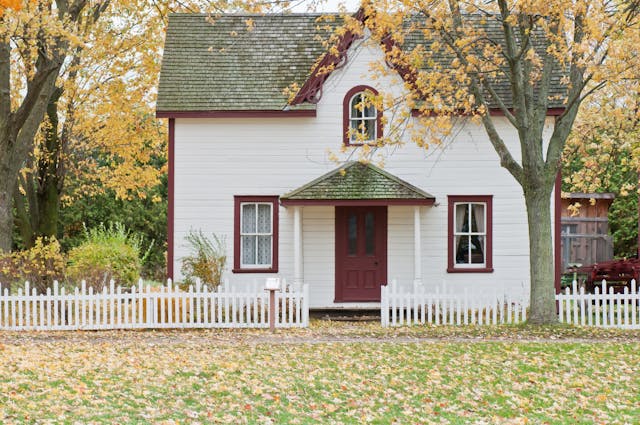
Home plan services are essential for anyone looking to build a custom home, providing professionally designed blueprints tailored to specific needs and preferences. The cost of these services varies depending on the complexity of the design and the level of customization, often ranging from a few hundred to several thousand dollars. Understanding the process and timeline involved can help homeowners manage expectations and budget effectively.
The typical home plan process includes initial consultations, design drafts, revisions, and final approval, with timelines generally spanning several weeks to a few months. Coordination between designers, architects, and builders is crucial to ensure the plans meet all local building codes and project goals. Being aware of these steps upfront reduces delays and streamlines the construction phase.
Different providers may offer standardized plans, fully custom designs, or something in between, affecting both price and completion time. Homeowners who are clear about their needs and communicate effectively with their home plan service can achieve a smoother, more predictable homebuilding experience.
What Are Home Plan Services?
Home plan services involve structured agreements that support the maintenance, repair, or care needs of a home or its occupants. These services vary widely depending on the provider and the specific requirements addressed, ranging from routine property upkeep to specialized care and assistance in daily living.
These plans are tailored to different users and needs, offering options that help manage costs, ensure timely support, and maintain the condition or comfort of the home environment.
Types of Home Plans
There are primarily two categories of home plan services: Home Maintenance Plans and Home Care Plans.
-
Home Maintenance Plans cover routine inspections, repairs, and upkeep of household systems such as HVAC, plumbing, and electrical. Some plans also protect against costly breakdowns by providing parts and labor coverage for appliances and home systems.
-
Home Care Plans focus on supporting individuals with daily living needs, offering assistance with activities like bathing, dressing, and meal preparation. These plans may be linked with health care services covered under programs like Medicare or Medicaid.
Plans often vary by provider in scope and cost coverage, allowing homeowners or families to select a package that matches their budget and service requirements.
Who Needs Home Plan Services
Home plan services suit a wide spectrum of individuals.
-
Homeowners seeking to protect their investment prefer maintenance plans to avoid unexpected repair costs and preserve property value.
-
Elderly or disabled individuals often require home care services to maintain independence while receiving assistance with daily tasks.
-
Families caring for members with chronic conditions may also rely on home care to complement medical treatments while providing comfort and support in a familiar setting.
The choice depends on whether the primary concern is physical property upkeep or personal care needs, but many households combine both for comprehensive support.
Key Features of Home Plan Companies
Home plan companies distinguish themselves with certain key features that affect service quality and user experience.
-
Coverage details: Clear definitions of what repairs, parts, or care activities are included. Comprehensive plans offer both parts and labor coverage, minimizing out-of-pocket expenses.
-
Personalization: Services are often tailored to individual or household needs, sometimes following a formal care plan created through an assessment process.
-
Response time: Prompt service delivery is a crucial aspect, especially for urgent repairs or critical care support.
-
Provider standards: Reliable companies ensure providers meet quality standards and licensing requirements to maintain service consistency and safety.
-
Cost transparency: Clear pricing structures, often with monthly or annual fees, help users budget accordingly and avoid surprise charges.
Cost of Home Plan Services
Home plan services vary widely in price based on the type of plan, complexity, and customization level. Understanding the range of costs and what influences them helps buyers plan their budgets more effectively. Key expenses include the fees for pre-designed and custom plans as well as charges stemming from design complexity and provider rates.
Average Pricing Breakdown
Pre-designed home plans typically cost between $500 and $2,000. These plans are ready-made and often designed to suit common building practices, making them more affordable. Buyers choosing these plans benefit from faster delivery and simplicity.
Custom home plans generally range from $2,000 to $10,000 or more depending on the design complexity, size, and the architect’s experience. These plans involve personalized elements tailored to site conditions, lifestyle needs, and unique architectural features, which require more time and expertise to develop.
Additional fees, such as modifications to existing plans or permits, may also factor into the total cost. Transparent communication with the designer can clarify what is included in the base price.
Factors Affecting Home Plan Costs
The cost varies significantly based on these key elements:
- Design complexity: More intricate designs with custom features increase both drafting time and fees.
- Plan size: Larger home plans require more detailed drawings, leading to higher costs.
- Location: Regional factors like building codes and market rates influence design fees.
- Level of customization: Extensive customization or revisions add to the overall price.
- Designer’s expertise: Experienced architects or firms often charge more due to their skill and reputation.
Material preparation, engineering input, and revisions can also affect pricing. Understanding these factors helps buyers align their expectations with budget constraints.
Custom vs. Pre-Designed Home Plan Fees
Pre-designed plans are cost-effective and quick to obtain, making them suitable for standard projects with typical needs. However, they offer limited flexibility if site conditions or personal preferences require changes.
Custom plans provide tailored solutions for unique requirements, such as specific site challenges or lifestyle accommodations, but at a higher cost. Customization involves more detailed consultation, revisions, and potentially engineering services.
| Aspect | Pre-Designed Plans | Custom Plans |
|---|---|---|
| Price Range | $500 - $2,000 | $2,000 - $10,000+ |
| Flexibility | Limited | High |
| Delivery Time | Faster | Longer |
| Design Uniqueness | Low | High |
Choosing between these options depends on budget, project complexity, and the level of personalization desired.
Home Plan Service Process
The home plan service process involves a series of carefully coordinated steps to ensure the final design meets the client’s needs and local regulations. It requires clear communication, detailed design work, and timely decisions to keep the project on track.
Initial Consultation and Requirements
The process begins with an initial consultation where clients outline their vision, budget, and must-have features. This stage includes an assessment of the building site, zoning restrictions, and utility access like water and electricity, which all influence the design feasibility.
During this phase, the service provider gathers detailed requirements such as square footage, number of rooms, and style preferences. They may also discuss potential energy-efficiency or sustainability goals. Clear documentation ensures both parties have aligned expectations before moving forward.
Design and Revision Stages
Once initial requirements are set, designers create preliminary floor plans and elevations. These early sketches focus on layout, flow, and functionality rather than fine details. Clients review these drafts and provide feedback on what needs adjustment.
Revisions follow that refine dimensions, room placements, and exterior appearance. This iterative process may involve multiple rounds, depending on client input. Communication here is critical to avoid delays or cost overruns, especially when changes affect structural or mechanical systems.
Approval and Finalization
After design approval, the home plan service prepares detailed construction documents needed for permits and builder estimates. This includes finalized floor plans, roof plans, and sections, ensuring compliance with local building codes.
Clients receive a complete package that contractors can use for bidding and construction. Any final tweaks for customization are handled before issuing the official plan set. The finalized documents mark the transition from design to construction readiness.
Timeline for Home Plan Services
The timeline for home plan services varies depending on the complexity of the design and client needs. Key factors include how long each design stage takes, the number of revisions, and coordination with other professionals. Efficient planning during early stages can significantly impact the overall duration.
Typical Duration
Creating custom home plans generally takes between 6 and 12 weeks. This period includes initial consultations, design drafts, and finalizing detailed blueprints. Simple designs or modifications to existing plans may shorten the timeline to 4-6 weeks.
More complex homes with unique features or extensive customization tend to approach the upper range of this timeframe. Delays can also arise if approvals or permits require additional time.
Builders and architects often recommend allowing extra time for client feedback and adjustments. This ensures the design aligns with expectations before construction begins.
Steps Affecting Timeline
Several key steps affect how long home plan services take. These include:
- Initial consultation and requirements gathering: Defining the client's needs and budget, typically 1-2 weeks.
- Preliminary design and concept development: Sketching layouts and structure, 2-4 weeks.
- Revisions and client feedback: Multiple rounds of tweaks can extend this phase by 1-3 weeks.
- Technical drawings and engineering plans: Preparing detailed blueprints and structural plans, 2-4 weeks.
- Permitting and approvals: Time varies by location but can add several weeks.
The overlap or sequencing of these phases influences the total timeline. Clear communication speeds up decisions.
Accelerating the Process
Clients can shorten the home plan timeline by preparing detailed requirements in advance. Having a clear budget, preferred style, and must-have features ready reduces back-and-forth during consultations.
Choosing existing plan templates or making simple modifications instead of full custom designs also saves time. Additionally, scheduling prompt feedback after each revision keeps the project moving.
Working with experienced designers familiar with local regulations can avoid delays related to permits or technical adjustments. Digital collaboration tools also help streamline communication between clients and professionals.
Planning ahead and setting realistic deadlines ensure the process advances efficiently without compromising quality.
Choosing the Right Home Plan Provider
Selecting a provider involves assessing qualifications and understanding available services. Careful evaluation ensures that support aligns with individual needs and budget constraints.
Evaluating Experience and Credentials
Experience plays a critical role in quality home care. Providers with a proven track record typically handle various care needs competently. It is important to verify certifications, licenses, and any relevant accreditations that demonstrate compliance with industry standards.
Background checks and staff training protocols also indicate a provider’s commitment to safety and professionalism. Customers should review reviews or request references to gauge satisfaction and reliability. Agencies with specialized expertise—such as dementia care or post-surgical support—offer more tailored options.
Evaluating leadership and staff turnover rates can reveal stability, which impacts consistent care delivery. Overall, credentials combined with hands-on experience form the foundation for trustworthy service.
Comparing Service Packages
Service packages often vary widely, ranging from basic assistance to comprehensive medical and personal care. Providers commonly break down offerings by hourly rates, care types, and included amenities.
A clear comparison should include:
- Cost per hour or flat fees
- Types of services covered (e.g., medication management, meal preparation, mobility assistance)
- Flexibility of care plans (e.g., part-time, full-time, live-in care)
- Additional fees or required deposits
Some agencies bundle services for cost savings, while others offer à la carte options for customization. Clarity on payment methods, insurance acceptance, and cancellation policies is essential.
Comparing these factors side-by-side helps determine which plan fits both care goals and financial considerations efficiently.